Is Red Aloe Vera Real? Let’s Dig In!
Hey fellow plant enthusiasts,
You might have come across photos or mentions of "red aloe vera" and wondered—does this striking plant actually exist? Well, the answer is both yes and no, and it’s pretty fascinating!
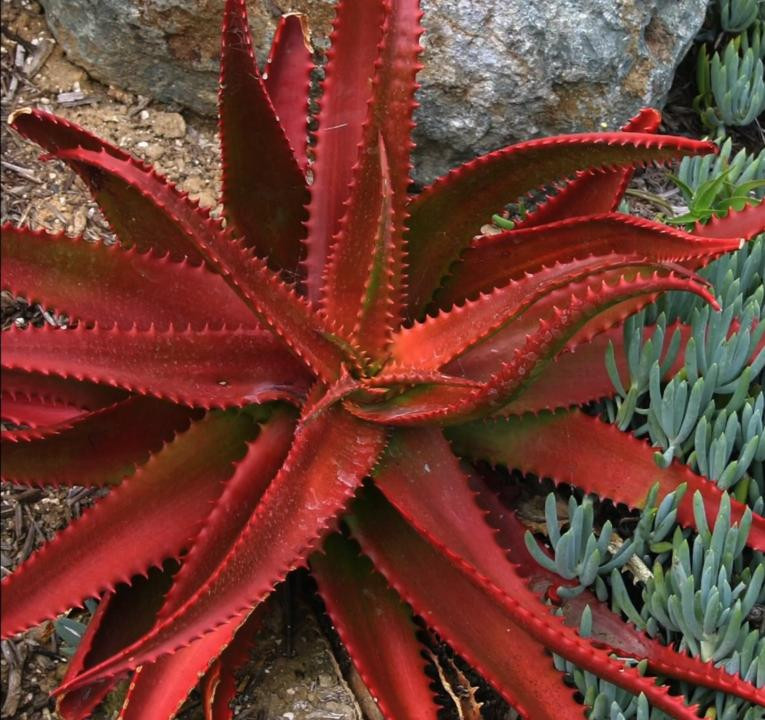
What’s the Deal with Red Aloe Vera?
First things first, there isn’t a separate species called "red aloe vera." However, aloe vera plants can indeed turn red under certain conditions. This color change typically happens when the plant is stressed. Stress for an aloe can come from various sources like:
- Too Much Sunlight: Prolonged exposure to intense sunlight can cause the leaves to take on a reddish hue.
- Drought: If your aloe is thirsty and not getting enough water, it might show its stress by turning red.
- Extreme Temperatures: Very high or low temperatures can also trigger this color change.
Naturally Red Aloe Varieties
While the common aloe vera (Aloe barbadensis) might turn red under stress, there are other aloe species that naturally boast red or reddish tones, especially when grown in full sun. Some of these include:
- Aloe cameronii: Often referred to as the Red Aloe, this species is known for its beautiful coppery-red foliage.
- Aloe ferox: Also known as the Bitter Aloe, this plant can develop a reddish tint, especially under bright sunlight.
Is Red Aloe Vera Healthy?
Red aloe vera is just as healthy and beneficial as its green counterpart. The change in color does not affect the plant’s medicinal properties. In fact, the red pigments, known as anthocyanins, are antioxidants that can offer additional health benefits. These antioxidants help protect the plant (and potentially your skin) from damage caused by free radicals.
So, Is Red Aloe Vera Real?
In summary, while there's no specific "red aloe vera" species, aloe plants can definitely turn red! It’s usually a sign of stress or a unique characteristic of certain aloe varieties. If you’re looking for that fiery hue, consider exposing your aloe to more sunlight or check out naturally red varieties like Aloe cameronii.
Hope this clears up the mystery! Happy planting! 🌱